

Florida Sun Damage to Eyes: What Every Jupiter Resident Should Know
July 1, 2026 – Dr. Jacqueline Westcott
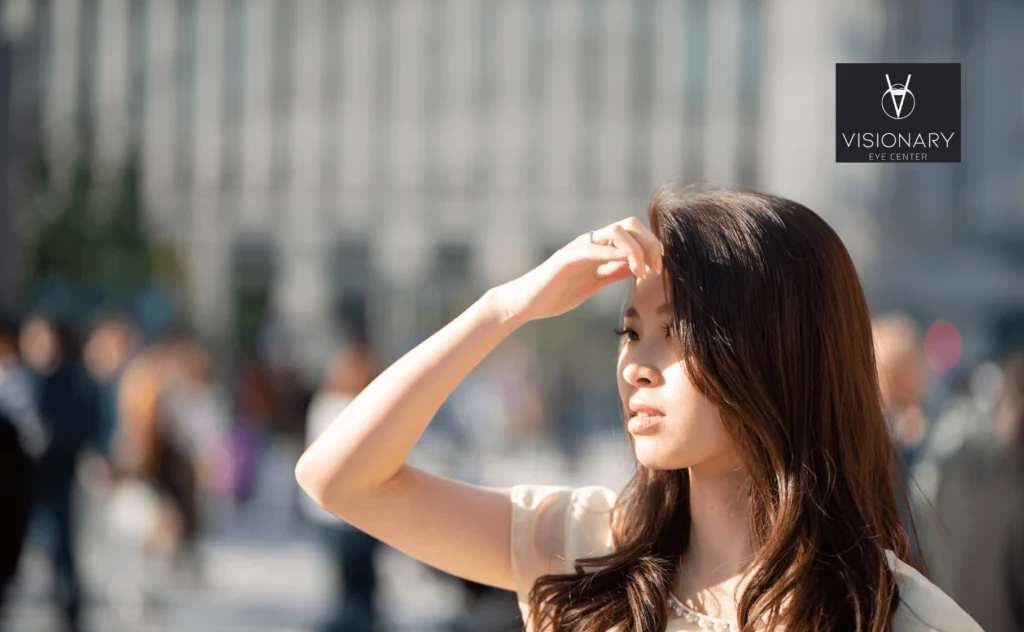
Living in Jupiter, Florida, means enjoying beautiful beaches, boating, golf courses, and sunshine throughout the year. While spending time outdoors has many benefits, many people do not realize that repeated sun exposure can contribute to sun damage to eyes just as it can damage the skin. Over time, ultraviolet (UV) light from the sun’s rays may increase the risk of cataracts, macular degeneration, and other eye conditions that can affect your vision. Even a single day of intense exposure can sometimes lead to painful symptoms such as corneal sunburn, eye pain, blurry vision, or light sensitivity.
Learn to recognize the signs of sun damage to eyes and take steps to protect your eyes to help preserve your eye health for years to come. A comprehensive eye exam in Jupiter, Florida can help protect your long-term eye health. Call our office today at (561) 429-8753(561) 429-8753 or complete our online form to schedule an appointment at Visionary Eye Center.
At-a-Glance Summary
- Florida’s strong year-round ultraviolet light increases the risk of eye damage.
- UV exposure may contribute to cataracts, macular degeneration, and other eye conditions.
- Water, sand, and pavement can reflect harmful UV rays toward your eyes.
- UV protection sunglasses and a wide brimmed hat can help reduce your risk.
- A comprehensive eye exam in Jupiter, Florida can identify changes before they noticeably affect your vision.
Why Florida Residents Face a Greater Risk of UV Eye Damage
Florida consistently experiences some of the nation’s highest levels of ultraviolet radiation. Because Jupiter enjoys sunshine during much of the year, residents often spend more time outdoors boating, fishing, golfing, horseback riding, walking, or relaxing at the beach. While these activities promote a healthy lifestyle, they also increase cumulative UV exposure.
Several factors can increase your risk of sun damage to eyes in Florida, including:
- Spending extended time outdoors.
- Living, working, or spending leisure time, near reflective water or sand.
- Participating in outdoor activities during midday hours.
- Driving frequently in bright sunlight.
- Using tanning beds.
- Going outside on cloudy days, when UV rays still reach the surface.
Many people mistakenly believe that only hot summer days create a concern. In reality, ultraviolet light is present throughout the year, even during cooler weather.
How UV Light Affects Your Eyes
Ultraviolet light includes UVA and UVB rays. Both forms of UV radiation can affect different parts of the eye over time.
Repeated exposure to UV light may affect the:
- Cornea
- Lens
- Retina
- Eyelids
- Surrounding skin
While the body can often repair minor damage, prolonged sun exposure may contribute to long term damage that gradually increases the risk of developing certain eye diseases. Eyes can also suffer from reduced tear production due to direct UV exposure. Chronic UV exposure can lead to eyelid cancers including melanoma.
Eye Conditions Associated with Sun Damage
Repeated sun exposure has been associated with several eye conditions.
Cataracts
Cataracts develop when the natural lens of the eye gradually becomes cloudy. Research has shown that long-term UV exposure may increase the risk of cataracts, which can cause blurred vision, glare, difficulty driving at night, and reduced visual clarity. Over 50% of Americans over 80 have cataracts.
Photokeratitis (Corneal Sunburn)
Often referred to as corneal sunburn or ultraviolet keratitis, photokeratitis occurs after intense UV exposure over a short period of time. It may develop after spending several hours on the beach, boating, skiing, or being around highly reflected sunlight.
Symptoms may include:
- Eye pain
- Light sensitivity
- Excessive tearing from increased tear production
- Blurry vision
- Redness
- Swelling
- A gritty sensation
Photokeratitis symptoms can last from six to 48 hours.
Most cases improve with appropriate treatment, but severe symptoms deserve prompt medical attention.
Macular Degeneration
Although many factors contribute to age-related macular degeneration, cumulative UV exposure plays a significant role in long-term retinal health. Because the retina is responsible for central vision, protecting it from unnecessary UV damage is an important part of maintaining lifelong vision.
Growths on the Surface of the Eye
Chronic sun exposure may contribute to benign growths such as pinguecula and pterygium that develop on the conjunctiva near the cornea. These conditions may cause irritation, redness, or discomfort and, in some cases, can interfere with vision.
Signs of Sun Damage to Eyes
Some sun damage symptoms develop immediately after excessive UV exposure, while others appear gradually over many years.
Watch for the following signs of sun damage to eyes:
- Blurred vision
- Persistent blurry vision
- Eye pain or discomfort
- Increased light sensitivity
- Redness
- Frequent irritation
- Changes in night vision
- Difficulty with glare
- Dry or irritated eyes
- Changes in visual clarity
If you notice persistent symptoms or experience temporary vision loss after significant sun exposure, schedule an eye exam promptly.
How to Protect Your Eyes from Florida Sunshine
Fortunately, several simple habits can significantly reduce your risk.
To better protect your eyes every day:
- Choose UV protection sunglasses labeled UV400 that block UV rays.
- Wear sunglasses whenever you are outdoors during daylight hours.
- Select wraparound sunglasses whenever practical to reduce reflected UV light.
- Wear a wide brimmed hat for additional protection.
- Never stare directly at the sun.
- Limit prolonged exposure during peak afternoon sunlight when possible.
- Remember that UV light reflects from water, sand, pavement, and buildings.
- Continue wearing proper eye protection even on cloudy days.
- Maintain regular eye exams.
If you wear contact lenses, ask your optometrist whether your lenses include UV protection. While some contact lenses help filter ultraviolet light, they should not replace quality sunglasses.
Why Regular Eye Exams Matter
Many eye diseases associated with UV exposure develop slowly and without noticeable symptoms during their earliest stages.
A comprehensive eye exam at Visionary Eye Center in Jupiter, Florida allows your optometrist to evaluate the health of your cornea, lens, retina, and other eye structures while looking for early signs of cataracts and other eye problems.
Early detection often allows for better monitoring and timely medical treatment when appropriate.
Frequently Asked Questions
Can the Florida sun really damage my eyes?
Yes. Repeated exposure to UV radiation may increase the risk of cataracts, certain retinal conditions, and other eye diseases over time.
Can my eyes become sunburned?
Yes. Intense UV exposure can cause photokeratitis, also known as corneal sunburn or ultraviolet keratitis.
Do I need sunglasses on cloudy days?
Yes. Clouds do not block all ultraviolet rays, so wearing sunglasses remains important throughout the year.
Are polarized sunglasses enough?
Polarization reduces glare but does not automatically provide UV protection. Choose sunglasses that specifically block 99% to 100% of UVA and UVB rays.
Are children at risk?
Yes. Children’s eyes allow more ultraviolet light to reach internal eye structures, making proper protection especially important.
Can UV exposure contribute to cataracts?
Research supports an association between long-term UV exposure and an increased risk of cataracts.
Is boating or going to the beach a significant risk causing sun damage to eyes?
Water and sand reflect sunlight, increasing UV exposure to the eyes.
Do tanning beds affect eye health?
Yes. Tanning beds emit ultraviolet light that can contribute to eye damage if appropriate eye protection is not used.
How often should I schedule an eye exam?
Most adults benefit from regular eye exams, although your recommended schedule depends on your age, health history, and individual risk factors.
When should I see an eye doctor after sun exposure?
Seek prompt evaluation if you experience severe eye pain, persistent blurred vision, significant light sensitivity, or symptoms that do not improve.
Local Eye Care You Can Trust in Jupiter
Living in the Jupiter area means enjoying Florida’s outdoor lifestyle throughout the year. Whether you spend time boating on the Intracoastal Waterway, visiting Jupiter Beach, golfing, or simply walking your neighborhood, protecting your eyes from ultraviolet exposure should be part of your daily routine. At Visionary Eye Center, we are committed to helping patients of all ages maintain healthy vision through preventive care, comprehensive eye examinations, and personalized recommendations for proper eye protection.
Protect Your Vision for Years to Come with an Eye Exam at Visionary Eye Center in Jupiter, Florida
The effects of sun damage may not appear immediately, but the choices you make today can help support your long-term eye health. Wearing UV protection sunglasses, limiting unnecessary UV exposure, and scheduling regular eye exams are practical ways to reduce your risk of future eye disease.
Call our office today at (561) 429-8753(561) 429-8753 or complete our online form to schedule an appointment. We look forward to helping you and your family achieve the clear, healthy vision you deserve!
Copyright © 2026. Visionary Eye Center. All rights reserved.
This blog provides general information and discussions about health and health procedures. The information and other content provided in this blog, or any linked materials, are not intended and should not be construed as medical advice, nor is the information a substitute for professional medical expertise or treatment. Each individual has a unique physiology, along with their own characteristics, concerns, and desires. A blog cannot sufficiently address them.
If you or any other person has a cosmetic or medical concern, you should seek professional medical treatment. Never disregard professional medical advice or delay seeking it because of something you have read on this blog or in any linked materials. Call your doctor or emergency services immediately if you think you may have a medical emergency.
Visionary Eye Center
3893 Military Trail Suite 4
Jupiter, FL 33458 (East)
(561) 429-8753(561) 429-8753
https://www.visionaryeyecenterfl.com/
Ask a Question,
Describe Your Concerns,
Request AN APPOINTMENT
Call (561) 429-8753(561) 429-8753, or fill out the short form below. Don’t hesitate; your questions are welcome.
Required Fields*
Your Information Is Safe With Us
We respect your privacy. The information you provide will be used to answer your question or to schedule an appointment if requested.
Related Blog Posts

What Is the Difference Between Nearsighted and Farsighted in Jupiter, Florida?
If you or a loved one is struggling to see clearly, whether street signs blur on your drive through Jupiter, FL or reading causes headaches and eye strain, you may…

The Surprising Benefits of Early Detection Through Eye Exams
Routine eye exams often fall lower on the list of health priorities, yet they play a critical role in maintaining overall well-being. Early detection of eye problems can lead to…

What is Myopia?
People rely on eyesight on a daily basis to survive. But different people have different qualities of vision as there are countless eye conditions they can possibly suffer from throughout…

How to stop having red eyes?
Red eyes are a common problem, and many reasons can cause red eyes. A few cases signal a scientific circumstance, including redeye (conjunctivitis), uveitis, corneal ulcer, or acute angle-closure glaucoma,…